
Introduction
The Russia-Ukraine War is one of the most significant geopolitical events of the 21st century. What began as a regional conflict quickly escalated into a global crisis, reshaping alliances, economies, and security strategies across the world.
At its core, the war is about more than territory—it reflects deeper tensions between Russia and the West, questions about sovereignty, and the future of global order.
This blog explores the origins of the conflict, its global impact, and why it represents a turning point in geopolitics.
1. Background: Roots of the Conflict


4
The tensions between Russia and Ukraine did not begin in 2022.
Key events:
- Ukraine’s growing ties with the West
- Russia’s concern over NATO expansion
- The Annexation of Crimea
- Ongoing conflict in eastern Ukraine (Donbas)
Russia views Ukraine as part of its strategic sphere of influence, while Ukraine has increasingly sought integration with Europe.
This clash of interests laid the foundation for war.
2. The 2022 Invasion
In February 2022, Russia launched a full-scale invasion of Ukraine.
Objectives (as widely interpreted):
- Prevent Ukraine from joining NATO
- Assert regional dominance
- Influence Ukraine’s political direction
However, Ukraine mounted strong resistance.
Instead of a quick victory:
- The war became prolonged
- Heavy casualties occurred
- Cities were destroyed
The invasion shocked the world and triggered widespread condemnation.
3. The Role of NATO and the West


4
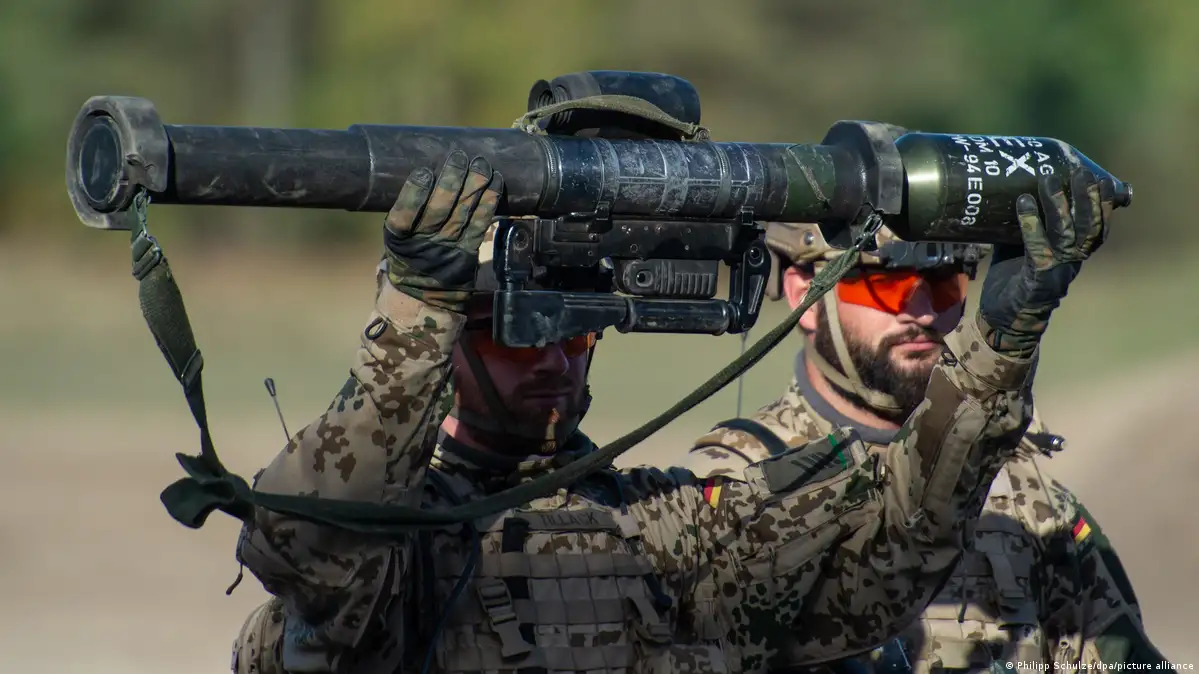
The NATO and Western countries played a major role in shaping the conflict.
Support for Ukraine included:
- Military aid (weapons, training)
- Financial assistance
- Intelligence sharing
At the same time, the West imposed severe sanctions on Russia:
- Freezing assets
- Restricting trade
- Cutting off financial systems
While NATO avoided direct military involvement, its support significantly strengthened Ukraine’s defense.
4. Economic Warfare and Sanctions
The war is not just being fought on the battlefield—it is also an economic war.
Sanctions against Russia aimed to:
- Weaken its economy
- Reduce its ability to fund the war
However, the results have been mixed:
- Russia adapted by redirecting trade
- Energy exports continued to some countries
- Global markets experienced disruptions
The war revealed how interconnected the global economy is—and how difficult it is to isolate a major power.
5. Energy Crisis and Global Impact


4
One of the biggest global consequences has been the energy crisis.
Before the war:
- Europe relied heavily on Russian gas
After sanctions:
- Energy supplies were disrupted
- Prices surged
- Inflation increased globally
Countries like India took advantage of discounted Russian oil, showing how nations adapted based on their own interests.
The crisis highlighted the importance of energy security.
6. Military Lessons and Modern Warfare
The war has changed how the world views military conflict.
Key lessons:
- Importance of drones and AI-based systems
- Role of cyber warfare
- Value of intelligence and surveillance
- Urban warfare challenges
Traditional large-scale invasions proved costly and difficult.
Modern warfare is now:
- Technology-driven
- Highly dynamic
- Less predictable
7. A Shift in Global Alliances
The war has reshaped alliances worldwide.
- NATO has expanded and strengthened
- Europe increased defense spending
- Russia moved closer to China
Countries are now reassessing:
- Their security strategies
- Their alliances
- Their economic dependencies
This marks a shift toward a more multipolar world.
8. Impact on Global Order
The war has challenged the existing global order.
Key questions:
- Can borders be changed by force?
- How effective are international institutions?
- What is the role of global powers?
The conflict has weakened trust in global systems and increased uncertainty.
It has also accelerated the decline of a unipolar world dominated by the US.
9. India’s Balanced Approach
India has taken a neutral stance.
India’s strategy:
- Maintain relations with Russia
- Strengthen ties with the West
- Focus on national interest
India continued buying Russian oil while also engaging with Western partners.
This reflects a broader trend:
👉 Countries prioritizing strategic autonomy over alignment.
10. What Comes Next?
The future of the war remains uncertain.
Possible outcomes:
- Prolonged conflict
- Negotiated settlement
- Frozen conflict (no clear resolution)
Regardless of the outcome, the consequences will be long-lasting.
The war has already:
- Changed global energy markets
- Reshaped alliances
- Increased military spending
Conclusion
The Russia–Ukraine war is more than a regional conflict—it is a turning point in global geopolitics.
It has exposed vulnerabilities in the global system, accelerated geopolitical shifts, and redefined how nations approach security and alliances.
The world that emerges from this conflict will be:
- More fragmented
- More competitive
- Less predictable
Understanding this war is essential to understanding the future of global politics.